Facebook for the Dead: The Traveling Cloud Museum
Hart Island lies to the east of New York City and is the largest tax-funded mass cemetery in the world.

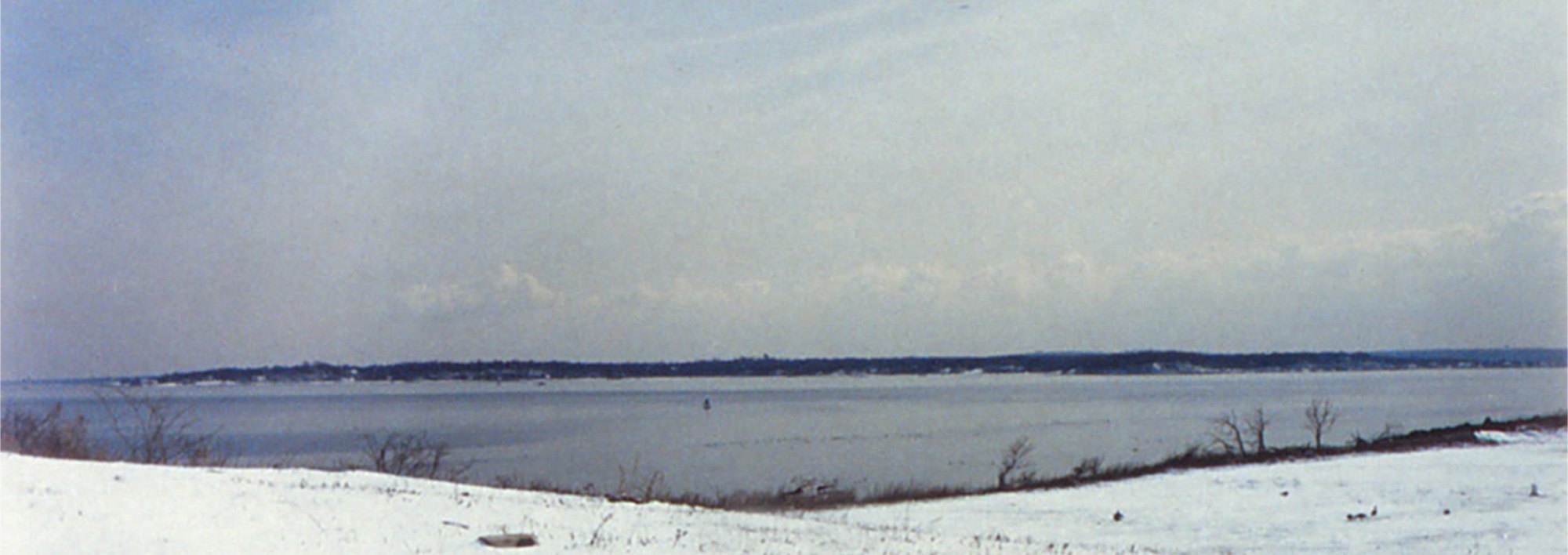
Hart Island lies to the east of New York City and is the largest tax-funded mass cemetery in the world.
The city made a serious mistake for a veteran deserving of a proper burial.

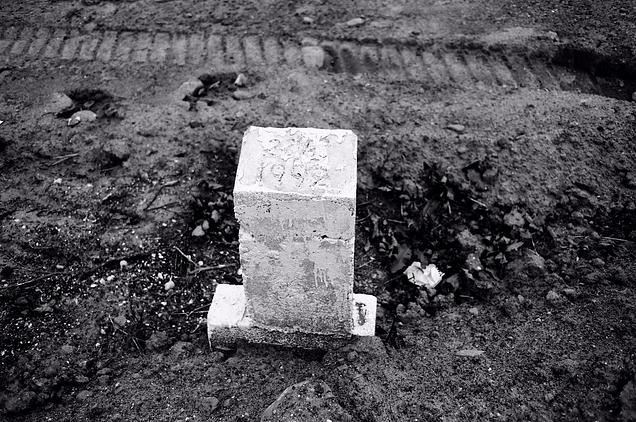
On July 19, Rosaria Cortes Lusero was able for the first time to visit her stillborn daughter’s burial site. She had died just a few days after being born in 1995 and—as is the case with all stillborn infants where no private arrangements are made—buried in a mass grave site on Hart Island in the Bronx which the public could not access.
In October 2001, the sixty-nine year old playwright and actor Leonard Melfi was taken to Mount Sinai Hospital in New York City, where he expired four hours later of congestive heart failure.
August 26, 2015 - Dr. Joseph Schuldenrein interviews Melinda Hunt about the history of City Cemetery in New York and The Hart Island Project’s proposal to the transform Hart Island into America’s first urban natural burial ground.

New Yorkers are now able to visit the graves of loved ones on Hart Island.
The New York City Department of Correction, which manages operations on the island, settled a lawsuit with the American Civil Liberties Union on July 8 that aims to make it easier for families to pay their respects to loved ones interred there.
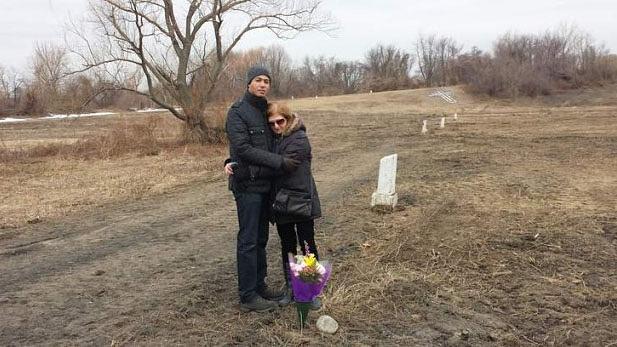
Though Grable has visited the 131-acre island by ferry before, it used to be that family members were only allowed to stand and reflect at a gazebo just past the island's dock. This past Sunday, the day of Grable's latest expedition, marked the first time that relatives were allowed to visit their loved ones' actual burial spots.
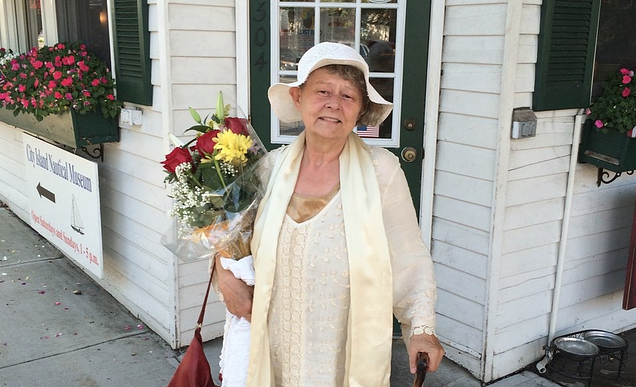
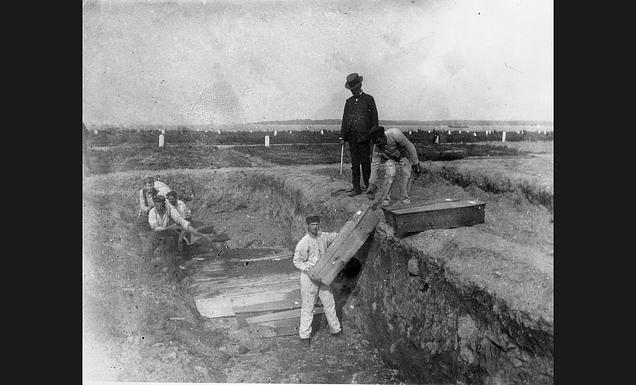
For more than a hundred years, New Yorkers who couldn't afford a cemetery plot ended up in unmarked graves on Hart Island, which sits off the coast of the Bronx. Now, for the first time, the city is allowing relatives to visit the paupers' cemetery.
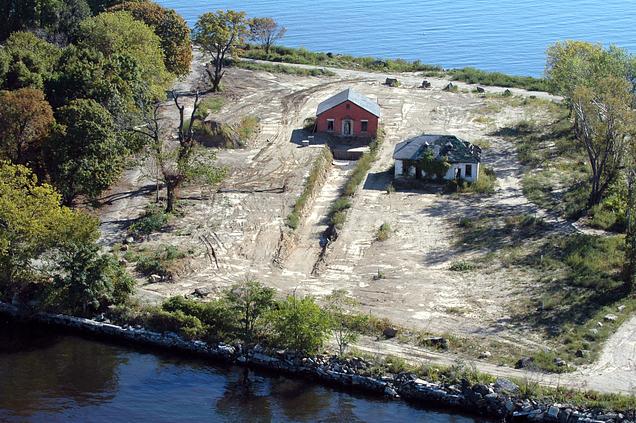
The lonely island where New York City buries its unclaimed dead lies off the coast of the Bronx, off-limits to living mourners for so long that it has sometimes seemed like a mirage.
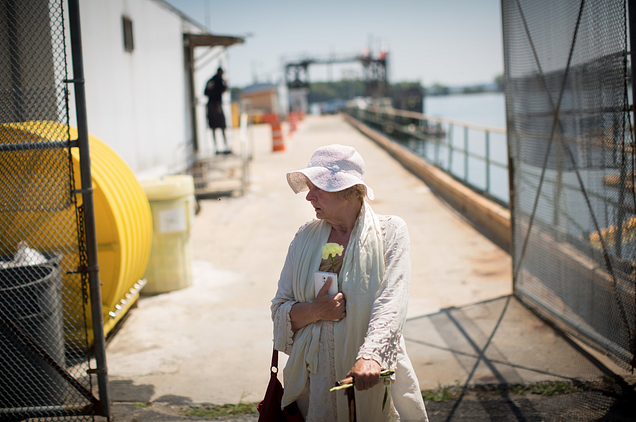

For the first time, families head to the nation's largest mass grave to visit where their loved ones are buried.
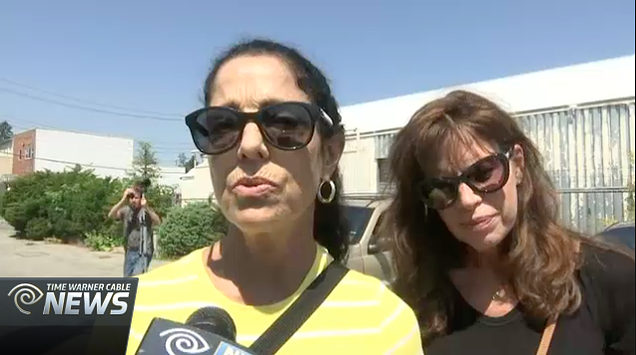
In one victory in a battle for public access to the city's potter's field. Beginning Sunday, relatives of people buried in the municipal cemetery on Hart Island will have easier access to the graves of loved ones.
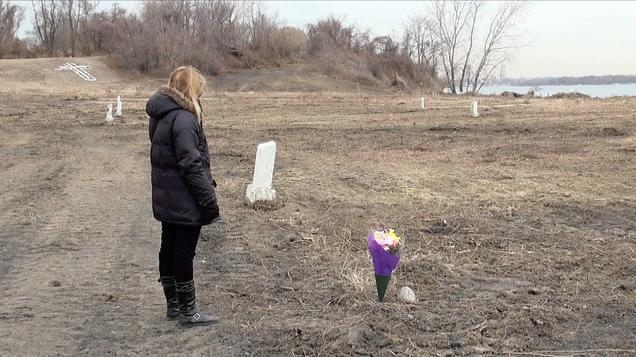

For 24 years, Peekskill artist Melinda Hunt has spent her life documenting, charting and helping families gain access to Hart Island, where New York City has buried its anonymous and indigent dead since just after the Civil War.

"The grieving public has been kept for far too long from getting the closure they need after a loved one is buried on Hart Island. I have pushed for expanded visitation on Hart Island because burial sites on public grounds should be open to all individuals who need to mourn. Anyone who has ever lost a loved one is aware of the undeniable importance of being able to visit their burial site."

THE BRONX — The city has agreed to allow families whose loved ones are buried on Hart Island, the city's potters field, to visit the deceased once a month, according to a settlement reached on Wednesday between the NYCLU and the city.
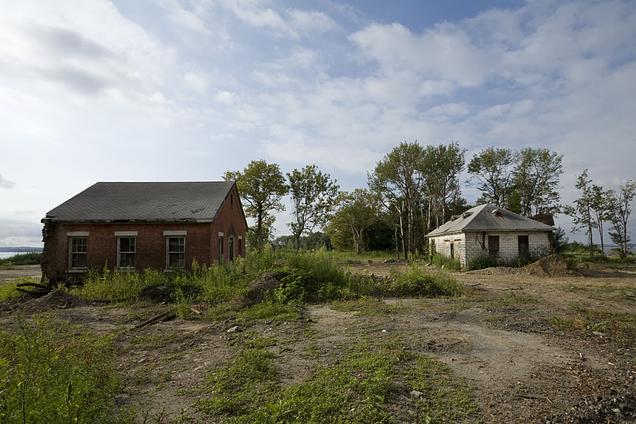
Families whose loved ones lie in a New York City potter's field for unclaimed bodies or those unable to afford burials will be able to visit the gravesites for the first time under a settlement announced on Wednesday.

More than a million bodies are believed to be buried on Hart Island, the city’s indigent burial ground for over a century. Now one woman is trying to link families with their loved ones with ‘a sort of Facebook for the dead’